
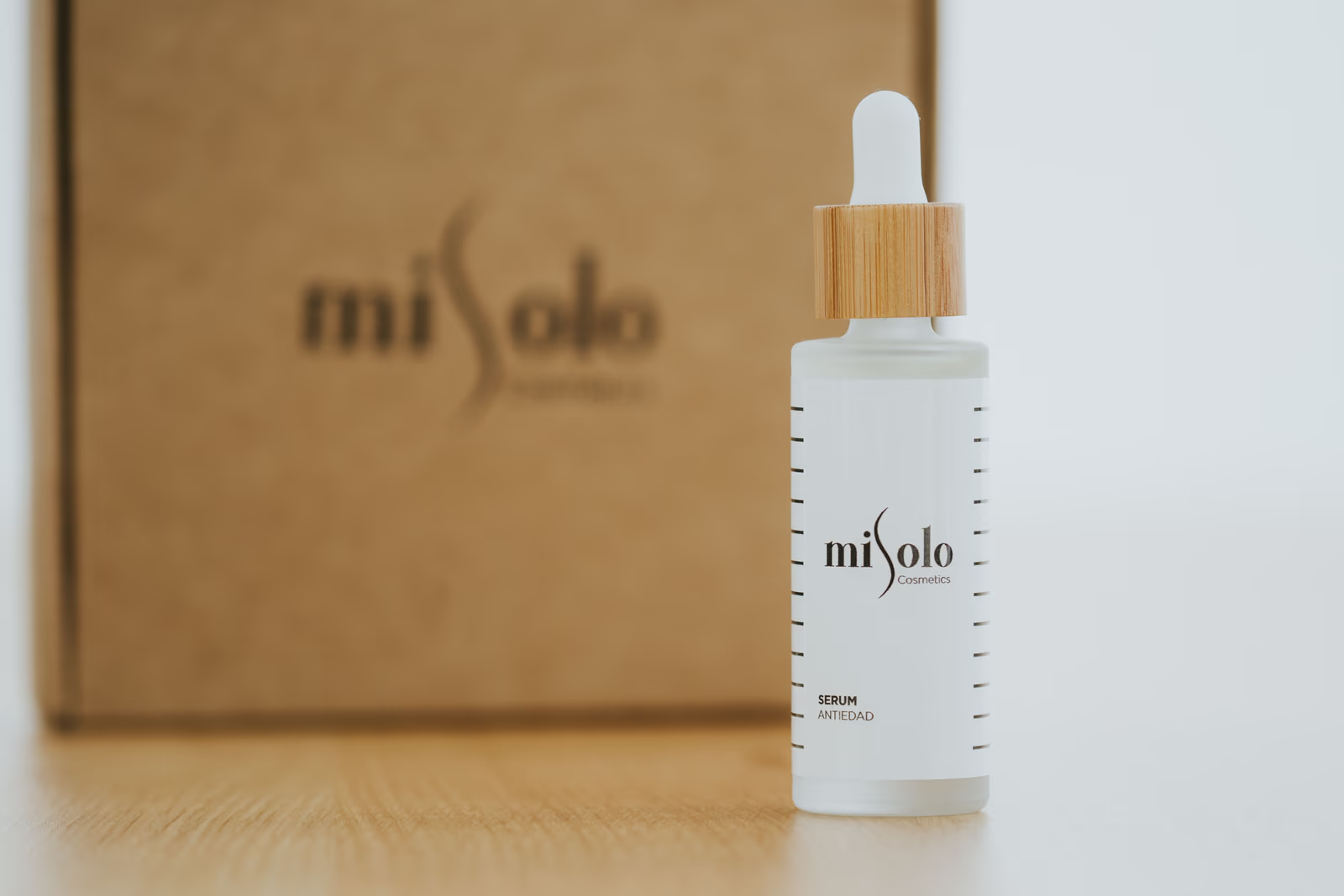
For a beauty brand selling online, the product page is where the selling actually happens. A shopper who has found a product is deciding, right there, whether to buy it, and the product page has to do everything a knowledgeable salesperson and a physical product would do in a store: show it, explain it, convey how it feels, answer questions, build trust, and prompt the purchase. A great beauty product page turns interest into a sale; a weak one loses a shopper who was genuinely considering the product. Here is what makes a beauty product page sell.
Why the product page is decisive
In a physical store, a shopper can pick up a product, feel its texture, smell it, read the box, and ask questions. Online, they can do none of that, so the product page has to stand in for all of it. This makes it the most important selling surface a beauty brand has: it is where a shopper's decision is actually made, and where the absence of the physical product has to be overcome. A product page that fails to convey what the product is, how it feels, and why to trust it leaves a shopper unsure, and an unsure shopper does not buy.
This is why beauty product pages deserve real care rather than a formulaic template. Each one is a sales opportunity that either succeeds or is squandered, and the difference between a page that genuinely sells and one that merely lists a product is the difference between a converting store and one that attracts shoppers who then leave without buying. It is worth putting real weight on this, because a brand can do everything else well, attract the right shoppers, build a beautiful store, price fairly, and still fail to sell if its product pages do not convert. The product page is the point where all the effort of getting a shopper there either turns into a sale or does not, which makes it the single highest-leverage surface in a beauty store, and the one most worth getting genuinely right.
What a shopper is really looking for
To build a product page that sells, it helps to understand what a beauty shopper actually wants from it. They want to understand the product, what it is, what it does, how it feels, and how to use it, clearly enough to picture using it themselves. They want to know whether it is right for them specifically, for their skin, their concern, their preferences. They want reassurance that it is worth buying, from honest information and from the experiences of others. And they want confidence that the brand is being straight with them rather than overselling.
A product page that meets all of these, honestly, gives a shopper what they need to buy with confidence. One that leaves any of them unanswered, an unclear sense of the product, no help judging whether it suits them, thin or absent social proof, or claims that feel exaggerated, leaves a gap that a hesitant shopper fills with doubt, and doubt does not buy. The most effective beauty product pages are built around genuinely answering what the shopper is asking, rather than simply presenting the product, because a shopper whose real questions are answered is a shopper ready to purchase.
What a beauty product page needs
A product page that sells skincare or cosmetics tends to bring several things together.
Beautiful, honest imagery. Since the shopper cannot see the product in person, images do much of the work: clear, appealing, honest photographs that show the product, its texture where relevant, and often its result, so a shopper can picture it. Poor or misleading imagery undercuts both the sale and the trust. For beauty especially, imagery carries a heavy burden, since it is the closest a shopper gets to seeing the real product, so it repays genuine investment: honest, high-quality images that show the product truthfully do more to sell it than almost any words can.
A compelling, honest description. The description has to sell the product and convey what makes it worth buying, while staying truthful and within the rules. Good beauty copy makes a shopper want the product without overpromising, describing genuinely what it is, what it does, and who it is for.
Ingredients and benefits, transparently. Discerning beauty shoppers want to know what is in a product and what it will realistically do. Clear, honest information about ingredients and benefits meets that need and builds trust, while vagueness or evasion raises suspicion in a shopper who is actively looking for reasons to trust or distrust the brand.
Social proof. Reviews and genuine social proof on the product page reassure a shopper that others have bought and been happy, which for beauty carries enormous weight. A product with strong, genuine reviews converts far better than one a shopper has no external reason to trust.
A clear, easy path to purchase. Once a shopper is convinced, buying should be immediate and obvious, with a clear way to add the product and proceed, so nothing stands between the decision and the purchase.
Where beauty product pages commonly fall short
Beauty product pages fail to sell in a few recurring, avoidable ways. The most common is thinness, a page with a single image and a line or two of description that leaves a shopper unable to understand or trust the product, so they leave to research it elsewhere or simply move on. Another is poor or misleading imagery, which fails to convey the product or, worse, sets an expectation the product cannot meet, undermining both the sale and the trust when the product arrives.
Then there are the trust failures: pages heavy on hype and light on honest detail, which the discerning beauty shopper reads as a warning sign; vagueness about ingredients, which suggests a brand with something to hide; and exaggerated claims that both risk the rules and repel a skeptical shopper. And there is the opposite of persuasion, a page so purely functional that it conveys nothing of the brand or the appeal of the product, treating a beauty purchase like buying a commodity. Each of these turns a selling opportunity into a missed one. A product page that is rich, honest, appealing, and genuinely informative avoids them all, and does the selling a beauty brand needs it to do.
Translating a sensory product to a screen
The particular challenge of a beauty product page is translating something physical and sensory, texture, feel, scent, finish, into words and images a shopper experiences on a screen. This is much of the craft of selling beauty online. A shopper wants to know how a cream feels, how a product applies, what a finish looks like in reality, and the product page has to convey these through vivid, honest imagery and description that helps the shopper imagine the experience.
The brands that do this well use every tool available, detailed and honest photography, description that conveys the sensory qualities without exaggeration, and any additional formats that help a shopper understand the product, so that a shopper comes away with a genuine sense of what they would be buying. The goal is to close the gap between the physical product and the online representation as far as honesty allows, so that a shopper buys with a realistic expectation and is satisfied when the product arrives, which is what turns a first purchase into a repeat one. Translating the sensory honestly is both what sells the product and what keeps the customer. This is one of the clearest ways a thoughtful beauty brand can outsell a larger but more careless competitor: by taking the trouble to convey each product so vividly and honestly that a shopper feels they understand it, and buys with confidence, where a thinner page would have left them unsure and unsold.
Honest claims, handled with care
Beauty product pages are where claims about products live, and those claims are subject to real rules. Cosmetic advertising is governed in many markets, through bodies and frameworks such as the FDA, Health Canada, the ASA, and others, with genuine distinctions between a cosmetic claim and a medical or drug claim, and requirements that claims be substantiated and not misleading. A product page has to describe what a product does honestly and within these rules, phrasing benefits carefully and truthfully rather than promising results a product cannot deliver or making claims that cross into medical territory.
The sensible approach is to present products and benefits honestly, keep claims within what can be substantiated and what the rules allow, be transparent about ingredients, and treat the substantiation of claims as the brand's own responsibility, with the page presenting the claims the brand has properly cleared. Far from limiting a product page, this care strengthens it, because beauty shoppers have grown wary of exaggerated claims and reward genuine honesty with trust. A product page that describes its product truthfully, neither overselling nor evading, both stays on the right side of the rules and reads as more credible to exactly the discerning shoppers a brand most wants to keep. In beauty, honest claims are not a constraint on selling; they are part of how the best brands sell. There is a practical benefit worth naming: a product page built on honest, substantiated claims is also far more durable. A page that overpromises risks not only regulatory trouble but disappointed customers and the reviews and returns that follow, which damage a brand far more than a modest, honest claim ever could. Truthful product pages sell steadily and keep customers; exaggerated ones may spike a sale and then cost the brand in trust, returns, and reputation.
Where to go next
The product page is where a beauty brand's selling is won or lost. For the full picture, see our guide to beauty e-commerce and how we approach beauty e-commerce, and read on into designing a checkout for beauty shoppers and personalized beauty shopping with recommendations and quizzes.
Do your product pages genuinely convey how each product feels and what it honestly does, with the imagery, transparency, and social proof a discerning shopper needs, or do they list the product and leave the selling undone?