
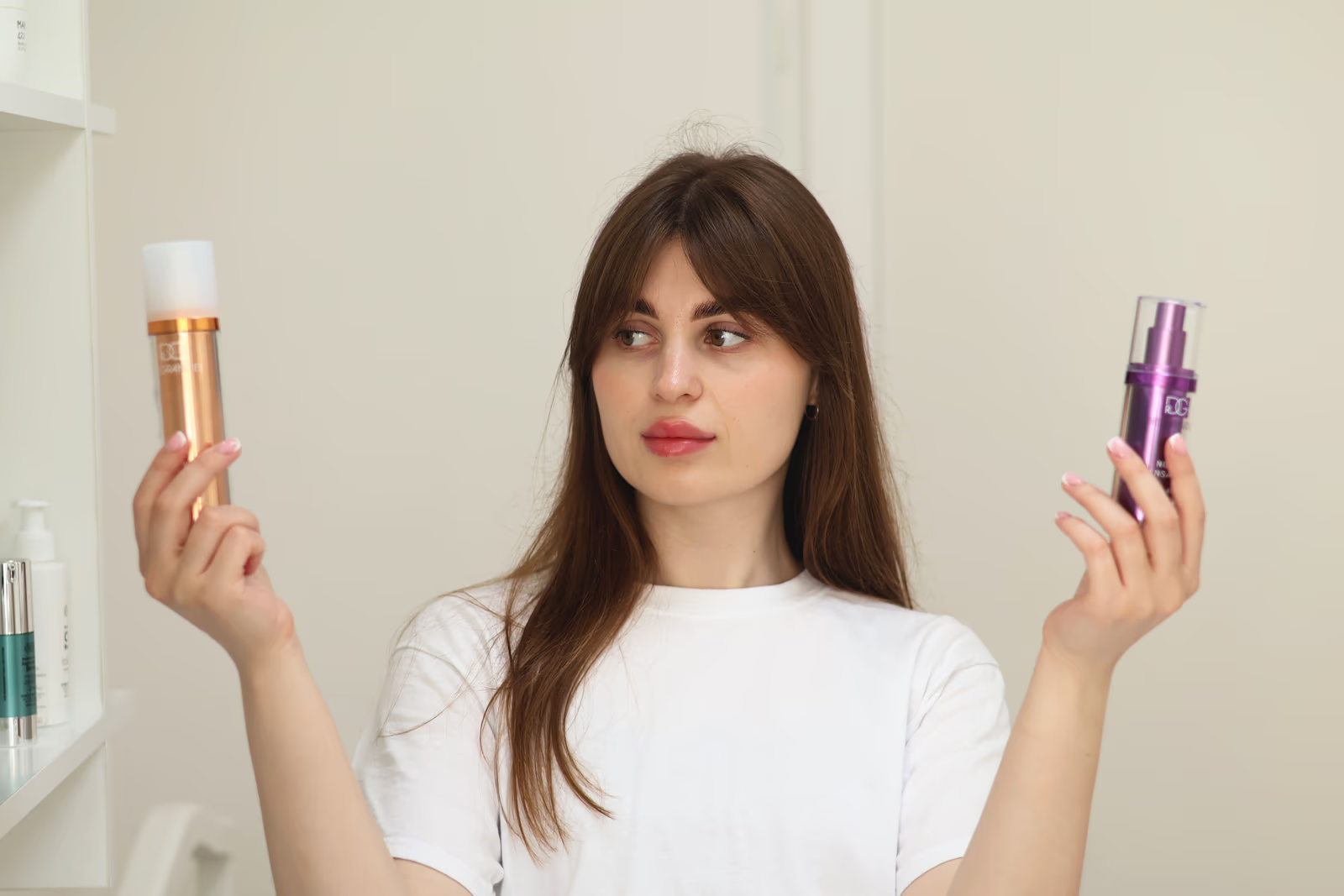
Beauty is personal in a way few other products are. The right skincare or cosmetic depends entirely on the individual, their skin type, their concerns, their tone, their preferences, so a product that transforms one person does nothing for another. That makes helping each shopper find what suits them one of the most valuable things a beauty store can do. Personalized beauty product recommendations, whether through quizzes, guided discovery, or tailored suggestions, turn an overwhelming shelf of options into a clear path to the right product, which serves the shopper and sells more. Here is how, and how to do it well.
Why personalization matters so much in beauty
Two things make personalization especially valuable for a beauty store. The first is that beauty is genuinely individual: because the right product depends on the person, a shopper facing a large range of options often does not know which one is for them, and that uncertainty is a real barrier to buying. A shopper unsure which product suits their skin may buy nothing rather than risk the wrong choice. Helping them find their match removes that barrier.
The second is that the range can be overwhelming. A beauty store may carry many products across many concerns, and a shopper confronted with all of them, unsure where to start, can feel paralyzed rather than guided. Personalization cuts through that, narrowing an overwhelming array to the few products genuinely right for a particular shopper, which both improves their experience and makes them far more likely to buy. A shopper shown the right product for them buys with confidence; a shopper left to guess among dozens often leaves.
What personalization looks like
Beauty product recommendations can take several forms in a store, all aimed at guiding a shopper to what suits them.
Quizzes and guided discovery. A well-designed quiz that asks a shopper about their skin, concerns, and preferences, and then recommends products suited to them, is one of the most effective forms of personalization. It turns choosing into a guided, reassuring process, and shoppers often genuinely enjoy it, while it leads them to products they are far more likely to buy and be happy with.
Tailored recommendations. Suggesting products based on what a shopper is viewing, what suits their stated needs, or what complements what they are buying helps them discover the right products without having to search through everything. Done relevantly, this both helps the shopper and increases the order.
Guidance and education. Helping shoppers understand which products address which concerns, and how to choose, is itself a form of personalization, equipping a shopper to find their own match and building trust in the brand as a genuinely helpful guide.
What makes a discovery quiz work
Since quizzes are one of the most effective forms of beauty personalization, it is worth being clear about what makes one work, because a poor quiz can frustrate as easily as a good one delights. A good quiz asks the right questions, enough to genuinely understand a shopper's skin, concerns, and preferences, but not so many that it becomes a chore, and it asks them in a way that feels easy and even enjoyable rather than like a form to fill in. The questions should be ones a shopper can actually answer, about themselves and what they want, not technical questions that leave them guessing.
Most importantly, the quiz has to deliver: the recommendations at the end must genuinely reflect the shopper's answers and genuinely suit them, or the whole exercise feels like a gimmick and the trust it might have built is lost. A quiz that asks thoughtful questions and then returns products clearly matched to the answers leaves a shopper feeling understood and confident, which is exactly the state in which they buy. One that asks questions and then returns generic or obviously self-serving suggestions does worse than no quiz at all, because it promises personalization and fails to deliver it. The value is in the genuine match, not the quiz itself.
Doing it honestly, not manipulatively
Personalization has to be done in the shopper's genuine interest, and the distinction matters. Recommendations should be built to guide a shopper to the products genuinely right for them, not simply to push whatever a brand most wants to sell. Shoppers can tell the difference, and beauty shoppers, who are discerning and wary of being manipulated, reward honest guidance with trust and punish self-serving recommendations by leaving.
This is not only the ethical approach but the effective one. Honest personalization, recommending what genuinely suits a shopper even when it is not the most expensive option, builds the trust that turns a first-time shopper into a loyal customer, and a satisfied customer into a repeat one and an advocate. A brand that uses personalization to genuinely help shoppers find their match earns far more, over time, than one that uses it to steer shoppers toward the wrong products for the sake of a single larger sale. In beauty, where trust and repeat custom are everything, honest personalization is both right and rewarding. The temptation to tilt recommendations toward higher-margin or overstocked products is understandable, but it is a false economy. A shopper steered to a product that does not suit them may buy once, but they are likely to be disappointed, to distrust the brand's future guidance, and not to return, so the brand trades a lasting relationship for a single sale. The brands that get the most from personalization are precisely those that resist this temptation and recommend genuinely, because genuine help is what earns the trust that makes a shopper keep coming back.
The conversion and loyalty payoff
Personalization done well pays off in ways beyond the immediate sale. When a shopper is guided to a product genuinely suited to them, several good things follow: they are more likely to buy in the first place, because their uncertainty has been resolved; they are more likely to be satisfied when the product arrives, because it actually suits them; and they are therefore more likely to return, to trust the brand's future recommendations, and to buy again. Personalization, in other words, does not just win a sale but improves the quality of the sale, and the relationship that follows.
There is a quieter benefit too. A shopper matched to the right product is less likely to be disappointed, return the product, or leave a poor review, all of which are costly to a beauty brand. Guiding shoppers well therefore reduces the frictions and losses that come from shoppers buying the wrong thing, while building the satisfaction and loyalty that sustain a brand. This is why personalization is worth genuine investment for a beauty store: it improves nearly every part of the shopper's experience and the brand's economics at once, turning the difficulty of a personal, individual category into an advantage for the brand that helps shoppers navigate it best.
Handling shopper information responsibly
Personalization often involves gathering information about a shopper, their skin, concerns, and preferences, and that information should be handled responsibly, according to the privacy rules that apply in the market, such as GDPR, PIPEDA, or others. A shopper sharing personal details about their skin and concerns is extending a degree of trust, and a brand should honour that by handling the information carefully, transparently, and only for the purpose the shopper expects. Handled this way, the exchange is fair: the shopper shares what helps the store help them, and the store uses it to serve them better, not to misuse their trust. Respecting that trust is part of what makes personalization something shoppers welcome rather than resent.
Where to go next
Helping shoppers find their match is one of the most valuable things a beauty store can do. For the full picture, see our guide to beauty e-commerce and how we approach beauty e-commerce, and read on into designing a checkout for beauty shoppers and product pages that sell skincare and cosmetics.
Does your store help a shopper find the products genuinely right for them, through a quiz or tailored guidance, or does it leave them to guess among dozens of options and hope they choose well?